Articles
•Apr 11 2025
DSL vs. Cable vs. Fiber Internet

If you’re shopping for internet today, you’re likely comparing up to three kinds of connections: DSL vs. cable vs. fiber. They all enter your home through similar-looking wires and transmit to devices via the same Wi-Fi setups. So, how can you even begin to tell them apart?Primarily, it’s about speed and price. But the true differences go to the core of these technologies — literally — so read on to learn more. That way, you can make an informed decision.You’ll also learn how they differ when it comes to: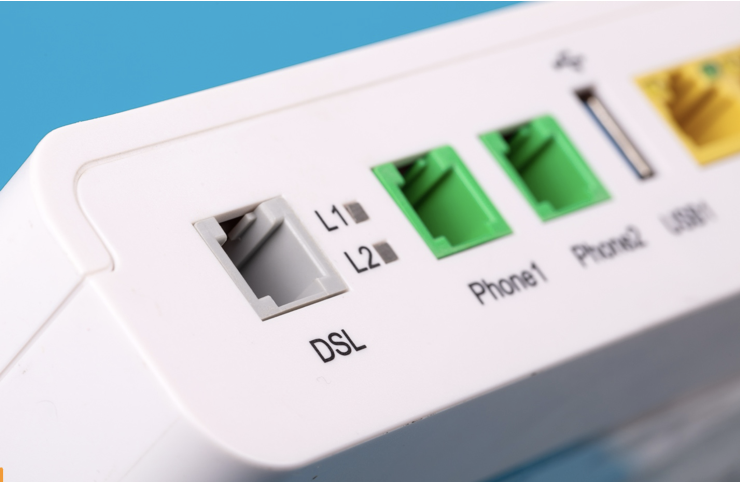 DSL, or digital subscriber line, is an internet connection transmitted electrically through your existing phone lines. That’s basically why DSL internet is so widely available and typically costs less — but that’s also why its speeds are about as outdated as landlines. Pros of DSL internet include:
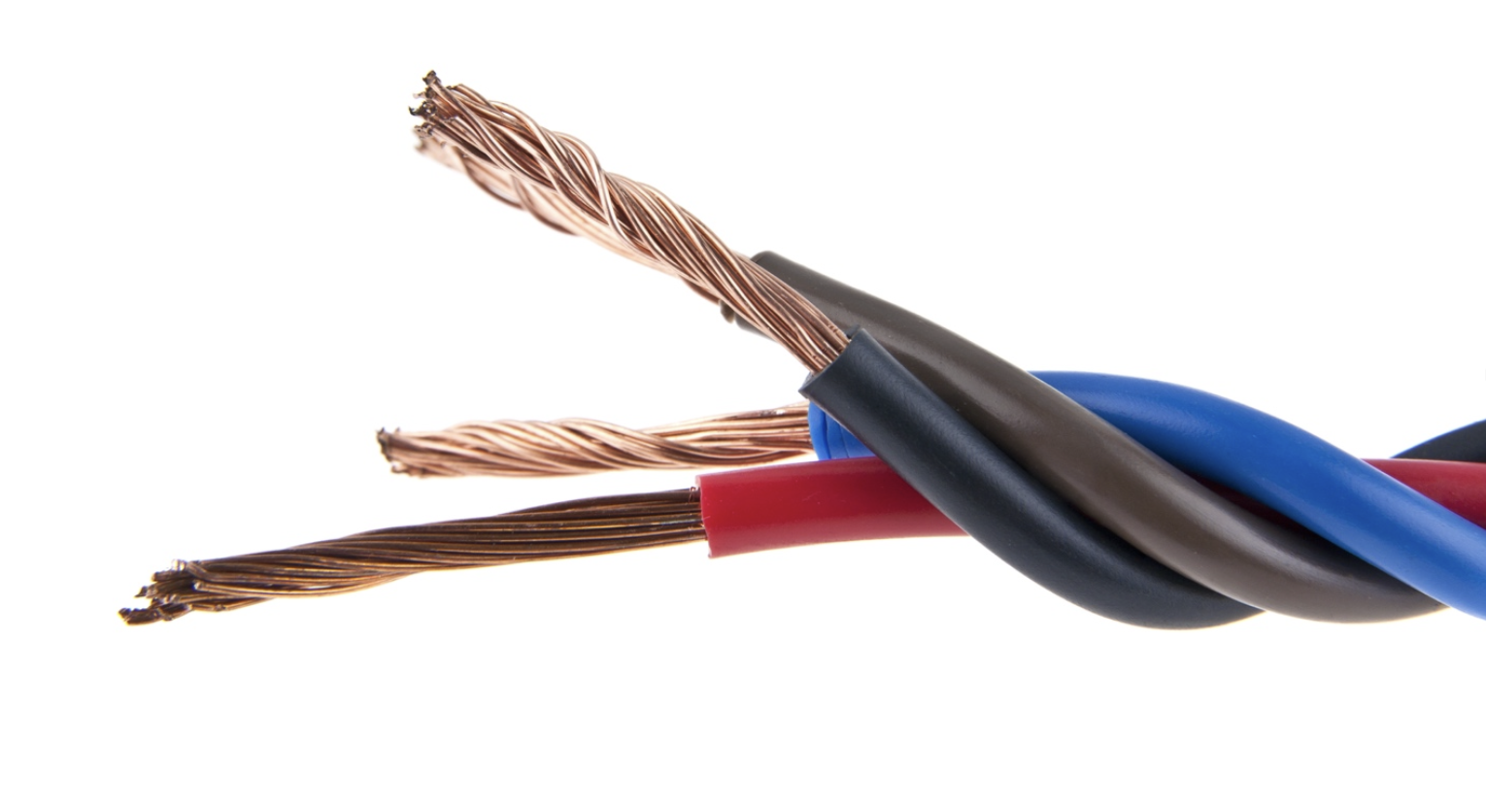 Cable internet transmits information through cable television lines, which are essentially complex copper electrical wires. While nearly as abundant as phone lines, cable connections can transmit more data at faster speeds than DSL. Cable internet is typically more expensive than DSL, but it’s better at handling modern internet use and several devices online simultaneously. Pros of cable internet include:
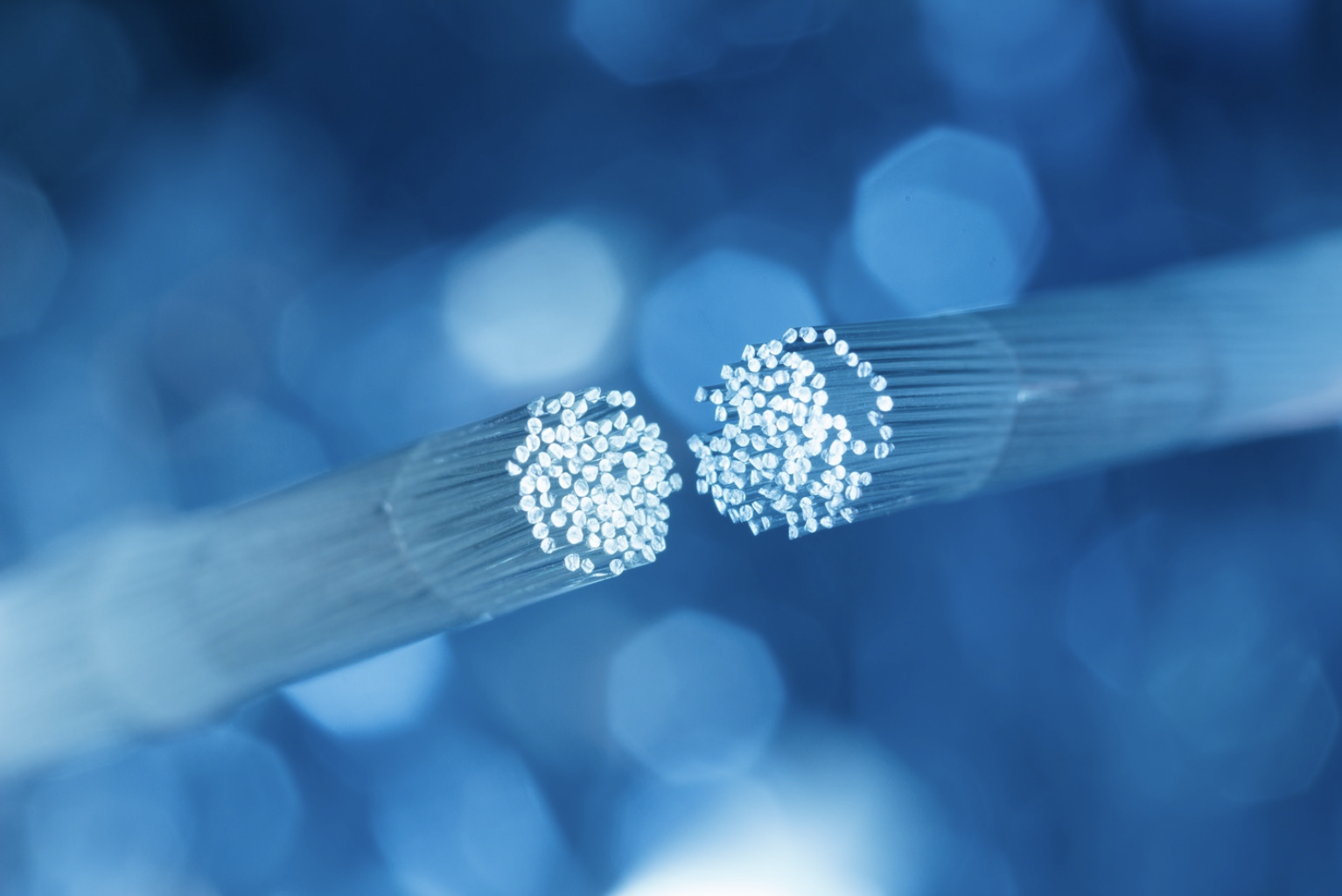 The future of the internet is bright. Actually, it’s light — and it’s already widely available to residential internet customers. What felt futuristic only a few years ago has quickly become today’s reality. Fiber internet is available to half the country as private and public entities continue building out the necessary infrastructure for this lightning-fast connection. Fiber internet transmits data as flashes of light through thin, strong, flexible — and crystal-clear — glass strands woven together in a bundle. These strands internally reflect the light signals with barely any resistance — at speeds approaching the speed of light. Then, a device called an optical network terminal (ONT) converts the light data back into electrical signals for our Wi-Fi routers and devices. With speeds up to 10 times faster than DSL or cable, often at prices that aren’t much different, fiber is becoming a new go-to internet for American homes. In fact, we surveyed 500 people who switched to fiber and a majority (57%) said fiber is a lot faster than their old internet, while being the same price or cheaper than their previous non-fiber internet (2024 – Kinetic Raw data report*). Is fiber the clear winner in the DSL vs. cable vs. fiber debate?The pros of fiber internet include:
Still wondering if you should make the switch to fiber? Consider these data points:We surveyed 80 people who switched from DSL to fiber and found: Let's break down who DSL vs. cable vs. fiber is best for.
- Composition and technology
- Reliability
- Availability
- Installation
- Security
What is DSL internet?
DSL, or digital subscriber line, is an internet connection transmitted electrically through your existing phone lines. That’s basically why DSL internet is so widely available and typically costs less — but that’s also why its speeds are about as outdated as landlines. Pros of DSL internet include:- Available almost everywhere since it uses phone lines
- Low cost for the same reason
- Easy to install because it plugs into the phone jack
- Stable connection, since the connection is individual (no shared bandwidth)
- Slower speeds compared to cable and fiber
- Signal degradation — far-flung residences might have a weaker (slower) signal
- Technological obsolescence — consumer DSL internet infrastructure is phasing out in favor of fiber
What is cable internet?
Cable internet transmits information through cable television lines, which are essentially complex copper electrical wires. While nearly as abundant as phone lines, cable connections can transmit more data at faster speeds than DSL. Cable internet is typically more expensive than DSL, but it’s better at handling modern internet use and several devices online simultaneously. Pros of cable internet include:- Availability
- Faster speeds than DSL
- Midrange cost
- Quick installation
- Limited signal degradation
- Slower speeds compared to fiber
- Shared bandwidth means occasional slowdowns
- More expensive than DSL
What is fiber internet?
The future of the internet is bright. Actually, it’s light — and it’s already widely available to residential internet customers. What felt futuristic only a few years ago has quickly become today’s reality. Fiber internet is available to half the country as private and public entities continue building out the necessary infrastructure for this lightning-fast connection. Fiber internet transmits data as flashes of light through thin, strong, flexible — and crystal-clear — glass strands woven together in a bundle. These strands internally reflect the light signals with barely any resistance — at speeds approaching the speed of light. Then, a device called an optical network terminal (ONT) converts the light data back into electrical signals for our Wi-Fi routers and devices. With speeds up to 10 times faster than DSL or cable, often at prices that aren’t much different, fiber is becoming a new go-to internet for American homes. In fact, we surveyed 500 people who switched to fiber and a majority (57%) said fiber is a lot faster than their old internet, while being the same price or cheaper than their previous non-fiber internet (2024 – Kinetic Raw data report*). Is fiber the clear winner in the DSL vs. cable vs. fiber debate?The pros of fiber internet include:- Ultra-fast speeds
- Symmetrical bandwidth (equal download/upload speeds)
- Future-proof technology — fiber-optic lines can easily support future speeds almost unfathomable to today’s consumer
- Steadily falling prices
- Easy installation — the setup by your internet service provider (ISP) is just as straightforward as for other internet types
- Higher cost compared to DSL and cable, though not always
- Availability — it requires a complete rewiring of the country
DSL vs. Cable vs. Fiber Internet: Key Differences
Let’s quickly break down the main distinctions between DSL vs. cable vs. fiber, looking at the technology itself as well as the customer experience.| Criteria | DSL | Cable | Fiber |
| Composition | Simple, narrow-gauge copper wires in rubber coating | Robust, medium-gauge copper wires in rubber coating | High-tech glass or plastic strands bundled within reflective and protective coatings |
| Technology | Electrical signals | Electrical signals | Light signals |
| Typical download speeds | 1-200 megabits per second (Mbps) | 25 Mbps - 1 gigabit per second (Gbps) | 1-100+ Gbps |
| Typical upload speeds | 1-20 Mbps | 5-50 Mbps | 1-100+ Gbps |
| Availability | Nearly everywhere | Widely available | Half the country |
| Expansion & investment | Basic maintenance | Developing hybrid cable | Quickly expanding and improving |
| Price | Starting as low as $20/month, but going as high as $100+/mo. in rural areas | $25-$100/mo. | $30-$300+/mo. |
| Bandwidth | Low | Moderate | Extremely high |
| Latency (delay) | High (very noticeable) | Moderate (sometimes noticeable) | Negligible (almost never noticeable) |
| Security | Vulnerable to interference, intrusionand signal degradation | Risk of interference and intrusion | Highly secure |
| Range | Relatively short — slower as it gets farther out | Stronger over long distances, but still eventually subject to slowdowns | Nearly endless, with minimal measurable signal degradation over long distances |
| Interference | Susceptible to weather, etc. | Shared connection with neighbors | Immune to EMF and congestion concerns |
| Future-proof | No – can’t keep up with growing bandwidth demand | No — Can’t keep up with growing bandwidth demand | Yes — infrastructure and technological capabilities |
| Installation | Easy to DIY | DIY or ISP install | ISP must install it |
| Ideal use | Rural and utility connections | Individual streaming, working, shopping | Multi-user streaming, working, gaming, plus smart home devices |
- More than half (56%) said fiber is much faster than DSL.
- Of gamers, 67% said it improved their online playing experiences.
- Of those with smart devices, 51% said their whole home functions better.
- Nearly two-thirds (64%) said fiber is a lot faster than cable.
- A large majority (76%) of remote workers reported more quick and efficient productivity.
DSL vs. cable vs. fiber: Which one is right for you?
Let's break down who DSL vs. cable vs. fiber is best for. DSL
DSL can be the best option for extremely budget-conscious customers since it is typically the cheapest available option. Local support programs that aim to connect every citizen in the country with high-speed internet might even cover the cost. DSL is sometimes the only option available in rural areas — or the only option at a reasonable monthly rate. All that considered, DSL might also be for you if you just don’t really use the internet but need to stay connected for the rare occasion you have to get online.Cable
However, most households do use the internet every day and need a connection that can support today’s average level of internet use — video streaming, a couple of devices online at once, and a day or two working or learning at home. Cable internet has served customers well for decades in this case and is still a widely available and cost-effective option.Fiber
In the past few years, many households have been pushing the limits of cable connections and need the ultra-fast gigabit connection fiber delivers. If it fits your budget and is locally available, you’ll want to choose fiber to support:- Multiple connected smart home devices (thermostat, doorbell, fridge, etc.)
- Multiple online computers or mobile devices
- Online gaming
- 4K+ video streaming
- Live-streaming
- Video conferencing