How to Get Fiber Optic Internet in a Rural Area
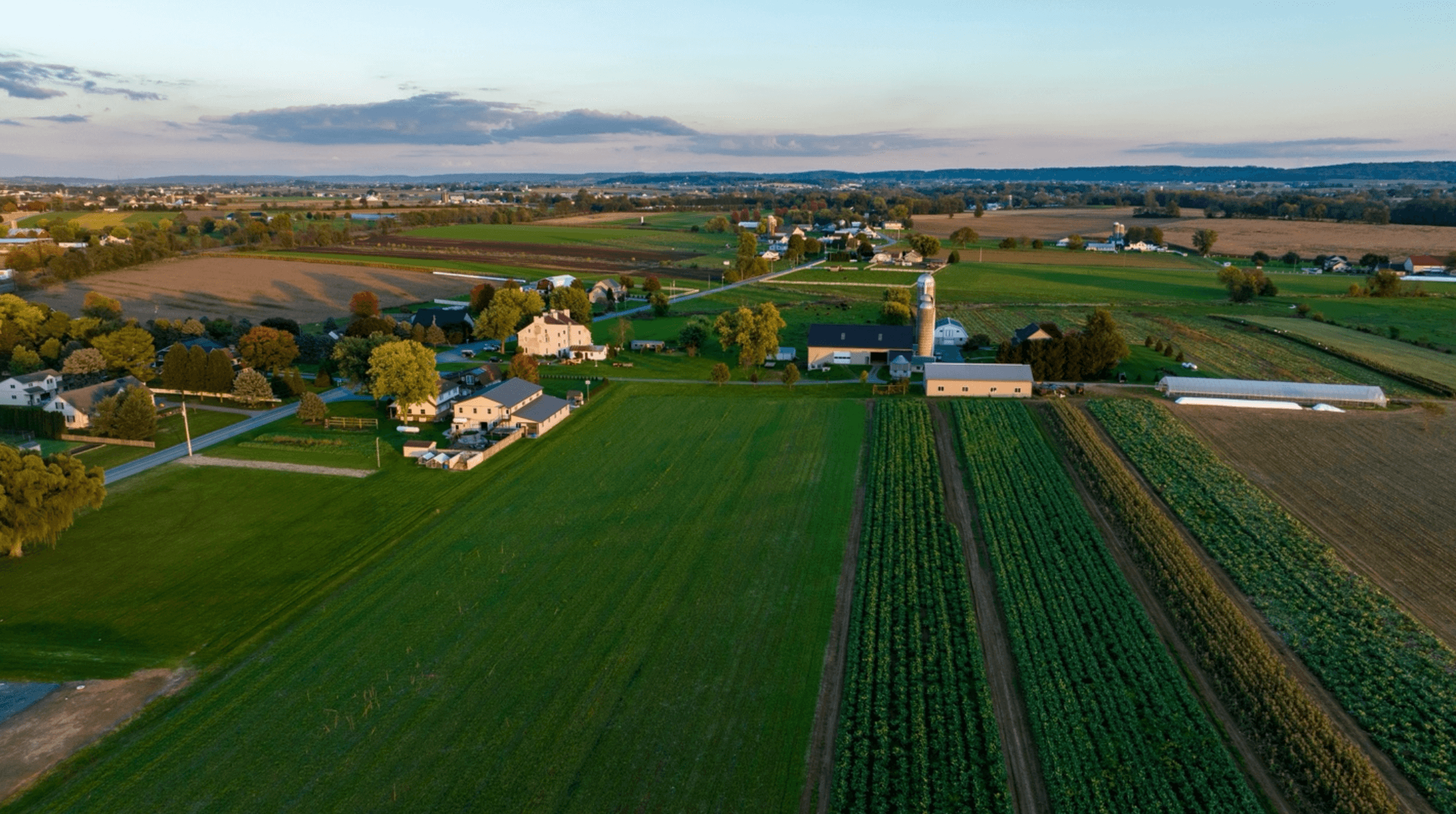
Accessing fast and reliable internet in rural communities can be a challenge, but demand for better service is growing.
22.3% of Americans in rural areas still lack access to high-speed broadband internet at the FCC’s minimum benchmark of 100/20 Mbps, compared to just 1.5% in urban areas.
That’s where fiber optic internet comes in. Fiber uses light to transmit data, delivering significantly faster and more reliable speeds than older internet technologies. For rural households, fiber can be a game-changer, enabling people to work remotely, access telehealth, and learn online.
In this guide, we’ll walk through what it takes to get fiber optic internet in a rural area, by explaining the common barriers, laying out the steps you can take, and spotlighting what the future of rural fiber access looks like.
Why Fiber Internet Matters for Rural Communities
Fiber internet isn't just about speed—it can transform quality of life in rural areas.
Here are a few key reasons why rural communities should care about fiber internet:
Economic growth: Rural communities with high broadband adoption see 213% more business growth, 44% higher GDP growth, and 18% more per capita income growth compared to similar underserved areas.
Access to healthcare: Telehealth enables rural patients to receive medical care without traveling long distances. It has been shown to reduce both the patient’s travel burden and the overall cost of care, making healthcare more accessible and affordable in underserved areas.
Children’s education: The digital divide in education often comes down to whether students and teachers have access to fast and reliable internet. Those who have access can participate fully in online learning, while students without it risk falling behind in coursework, grades, and long-term opportunities.
Having fiber isn’t just about being able to stream movies and surf the web. Access to reliable, high-speed internet can be life changing, especially for people who live in rural communities.
How Do I Know if Fiber Internet is Available in My Area?
If you’re wondering how to get fiber internet in a rural area, the first step is finding out whether service is available where you live. Providers typically expand fiber in phases, so coverage can vary even between neighboring communities.
One of the easiest ways to check is by using your internet service provider’s online availability tool. For example, most ISPs allow you to enter your address to see if fiber service is offered.
You can also use the FCC’s National Broadband Map, which shows service types and providers available by location
If fiber isn’t available at your home today, that doesn’t mean it won’t be soon. Providers are actively expanding their rural networks, often supported by federal and state broadband funding programs.
In the meantime, cable and DSL are also viable options for internet service and widely available across the country.
Common Barriers for Fiber Optic Internet
While demand for fiber is growing, expanding service into rural areas comes with unique challenges, including:
High installation costs: Building fiber networks is expensive. Estimates show it can cost as much as $27,000 per mile to install fiber in rural areas.
Logistical hurdles and cost distribution: Sparse populations mean infrastructure investments must stretch across more ground, driving up cost per user in rural regions.
Regulatory delays: Deploying new broadband infrastructure often requires navigating multiple permits and right-of-way agreements, which can slow progress.
Overcoming these challenges often requires federal and state funding, streamlined permitting, community advocacy, and increased competition among providers.
Steps to Take to Get Fiber Optic Internet
1. Assess Your Internet Needs
Before exploring how to get fiber internet in a rural area, it’s helpful to understand what kind of connection your household or business really needs.
The amount of speed and bandwidth required varies depending on your activities. For example, streaming video in standard definition is far less demanding than streaming in 4K, which requires more bandwidth to run smoothly.
Online gaming doesn’t usually consume a lot of data, but it does require stable performance and quick responsiveness, which means upload capacity and low latency matter. Remote work often combines video calls, cloud storage, and large file transfers, which can add up quickly. Even smart devices like home security cameras and thermostats contribute to overall bandwidth use when multiple devices are connected at the same time.
Taking stock of your household’s needs will help you determine which fiber internet plan is right for your situation.
2. Check Availability in Your Area
Once you know your internet needs, the next step is to see if fiber service is already available where you live.
Fiber networks are expanding quickly, but availability still varies greatly between urban and rural areas. Many providers offer online tools where you can enter your home address to see if fiber is offered, and these are often the most up-to-date resources for your specific location.
As mentioned earlier, you can also use the FCC’s National Broadband Map, which lets you search by address to view which providers and internet technologies are available in your area.
If fiber doesn’t yet reach your household, don’t be discouraged. Providers often expand in phases, and federal and state investments are helping extend broadband internet into more rural communities each year.
3. Research and Compare Providers
If fiber is available in your area, the next step is to research which providers serve your community and compare what they offer. Different internet service providers (ISPs) may vary widely in terms of speeds, pricing, contract terms, and reliability. Taking the time to compare options ensures you choose a plan that matches both your household’s needs and your budget.
Look closely at customer service ratings as well. Rural customers often have fewer choices, so it’s worth selecting a provider known for responsive support if issues arise.
You should also review contract details, including whether there are data caps or early termination fees. Some providers bundle fiber internet with phone or TV services, which may lower overall costs.
By comparing providers side by side, you can make an informed decision and avoid surprises on your bill later.
4. Join Interest or Waitlists
If fiber isn’t yet available at your address, one of the most effective things you can do is let providers know you’re interested. Some internet service providers maintain waitlists or “interest forms” where residents can submit their addresses. These lists help companies gauge demand and often influence which communities get prioritized for future expansion.
Joining a waitlist usually doesn’t obligate you to purchase service, but it signals to providers that people in your area want fiber internet.
In rural areas, where buildout costs are higher, showing demand can be especially important. If enough households in your neighborhood join a waitlist, it strengthens the business case for providers to invest in your community. It’s a small step that can make a big difference in bringing fiber closer to your doorstep.
5. Advocate for Community Access
In many rural areas, getting fiber internet isn’t just about individual demand—it often takes community action.
When residents, local officials, and businesses work together to show providers there’s strong interest, it can encourage companies to prioritize network expansion. Some communities even partner with providers or apply for state and federal grants to offset the high cost of installing broadband in rural areas.
Advocacy can take many forms, from attending town meetings and petitioning local leaders to joining broadband task forces.
The more voices involved, the harder it is for providers to ignore a community’s needs. By advocating as a group, rural residents can increase their chances of securing the fiber access they need for education, work, healthcare, and everyday life.
6. Schedule Installation and Prepare Your Home
Once you’ve chosen a provider and fiber becomes available in your area, the final step is scheduling installation.
Most fiber internet installations are done by a professional technician, who will run the fiber line from the nearest network point to your home. Depending on your property, this could mean burying cable underground, running it along utility poles, or drilling a small entry point into your house.
During installation, your technician will set up an Optical Network Terminal (ONT), which acts as the bridge between the fiber line and your home network. You’ll also need a router to distribute Wi-Fi throughout your household.
With Kinetic, customers can use a gateway, an all-in-one device that combines the ONT and router in one unit for easier setup.
The Future of Fiber Optic Internet in Rural Areas
The outlook for fiber in rural America is promising, thanks to major investments and ongoing infrastructure projects.
Federal and state programs are channeling billions of dollars into expanding broadband access, with the largest being the Broadband Equity, Access, and Deployment (BEAD) Program, which provides funding to extend high-speed internet into underserved areas.
Private internet providers are also stepping up, working with local governments and cooperatives to bring fiber to regions that were once overlooked. As these projects unfold, more rural households will gain access to fast, reliable internet.
While challenges like high installation costs and lower population density remain, the momentum behind fiber expansion is stronger than ever. Over the coming years, these efforts will help close the digital divide for rural communities.
See if Fiber Is Available in Your Rural Neighborhood
The fastest way to know if you can get fiber internet is to check availability at your specific address. Once you confirm you have access, compare plans from different providers (if possible) and make sure you choose a plan that matches the speed and bandwidth demands of your household.
With Kinetic Fiber, you not only get access to high-speed internet, but 99.9% network reliability, no data caps, and no annual contracts. We’re here to keep you connected when it matters most.
Ready to see if fiber is available in your area? Check availability to get started.
How to Get Fiber Optic Internet in a Rural Area FAQs
Is fiber internet available in rural areas?
Yes, fiber is increasingly being deployed in rural areas, but availability is still limited compared to urban and suburban regions. It’s estimated that about 46% of U.S. households have access to fiber internet.
How do I find out if fiber is available where I live?
The simplest way is to check with your internet service provider. Most ISPs, including Kinetic, offer online tools where you can enter your address and instantly see what services are available. The FCC’s National Broadband Map is another resource that lets you search by location to view providers and technologies in your area.
What are the alternatives to fiber in rural areas?
If fiber isn’t available, rural residents often rely on alternatives like DSL, cable, fixed wireless, 5G home internet, or satellite. While these technologies can provide basic service, they don’t match fiber’s speed or reliability.
How much does it cost to install fiber in rural areas?
The cost of deploying fiber in rural areas is significantly higher than in cities due to lower population density and longer distances between homes. Estimates show that installation can be as high as $27,000 per mile.
Can I request fiber installation for my home?
Yes, in many cases you can submit a request or join a provider’s waitlist to express interest. While individual requests don’t always guarantee installation, providers may use this data to prioritize expansion in areas where demand is strong.
How long does rural fiber installation take?
Once a provider begins construction, it can take several months to bring fiber to a rural neighborhood. The timeline depends on factors like terrain, permits, and distance from existing infrastructure. For individual homes, professional installation is typically completed in just a few hours once the fiber line is in place.
Is 5G a better option than fiber in rural regions?
5G home internet is expanding into rural markets and can be a strong alternative where fiber isn’t available, but it still doesn’t match fiber’s consistency or symmetrical speeds. 5G performance depends heavily on local coverage and network congestion, which means speeds can vary. Fiber, by contrast, provides consistent high speeds and reliability because it uses a dedicated wired connection.